Audubon Arkansas Audubon Arkansas

Take Action      Audubon.org
Contact Us      Home

Fourche Creek Home
Fourche Creek Information
  A Description of Fourche Creek
  Maps
  Issues Facing Fourche Creek
  Fourche Creek Sights
 
· Human Impacts
· Animal Tracks
· Bald Cypress Trees
· Ancient Structures
  Watershed Terms and Definitions
  Reports
  How You Can Help
  Intern Diaries
Floating Fourche Creek
Events at Fourche Creek
Fourche Creek Projects
About Fourche Creek
Green Examples
Fourche Photo Galleries

Fourche Creek Information

Fourche Creek Information
Sights

Fourche Creek Sights!
by Kate Finefield, Audubon Summer Intern 2006

Because of the severe neglect and abuse the Fourche Creek Watershed has been through in the last few decades, many residents of Pulaski County, especially those within the Little Rock city limits, have no idea how unique and beautiful this area can be. True, there are a lot of areas that need some serious help and rejuvenation. Cleanup will be continuous and long coming.

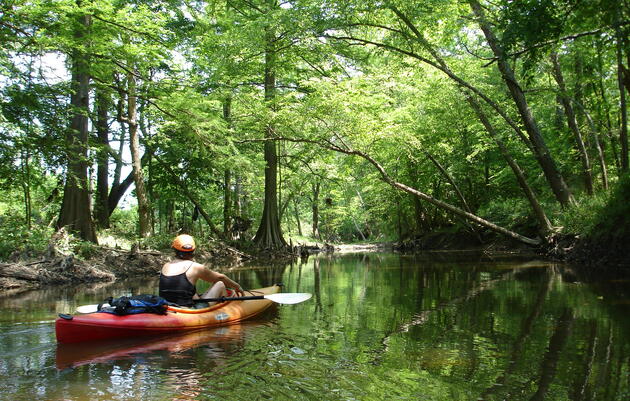
But the creatures, trees, and even old buildings that the team has discovered on its treks through “the muck” have literally taken their breath away on occasion. Here are just a few examples of what the team has seen, and hopefully will continue to see, as the weather begins to warm and the wetland revives from its winter sleep.

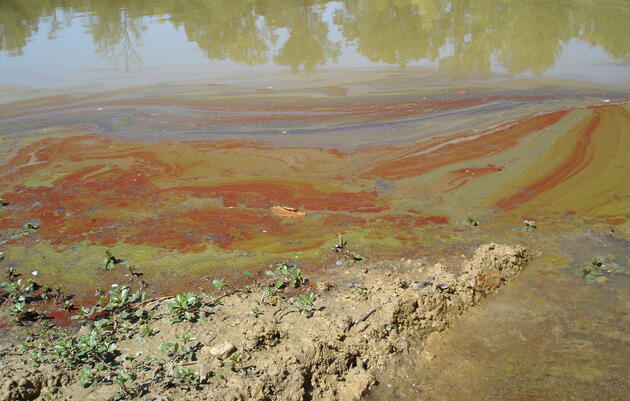
Human Impacts on Fourche Creek
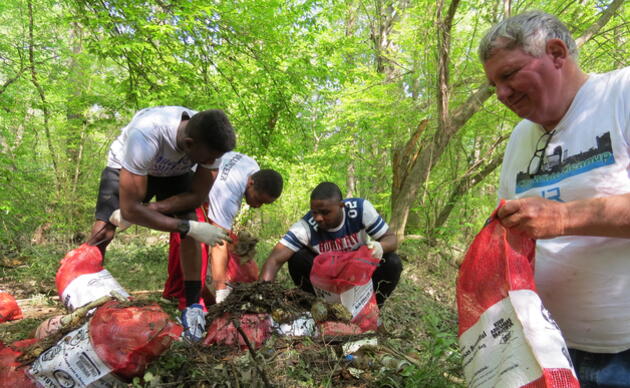
Not everything seen in Fourche Creek Watershed is nice to look at. Unfortunately, mankind has had a massive negative impact on the stability and pollution of this very important watershed.

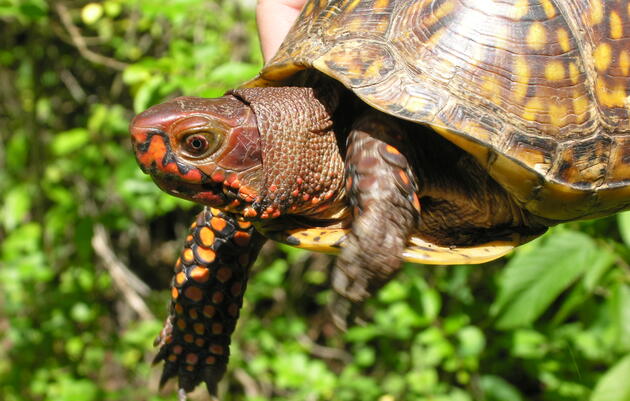
Animal Tracks
Now that the warm weather has begun, the watershed has begun to rustle and spring to life. From thousands of prints in the mud, to a very irritated water snake, these are just a few samplings of what the team has come across.

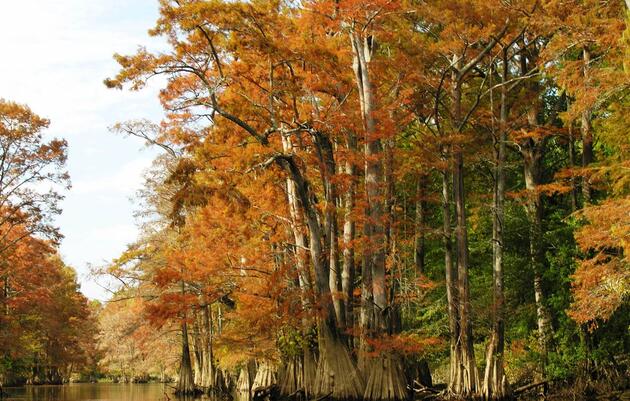
Bald Cypress Trees: Grandfathers of the Wetlands
Cypress trees are an ancient species, related to the California redwood. They can live for hundreds of years, some even passing the millennia mark. They are very dependent upon cyclical flooding, and as such, many areas of the South and Midwest have lost entire stands of trees to drainage and farmland creation.

Ancient Structures: Nature regains its footing
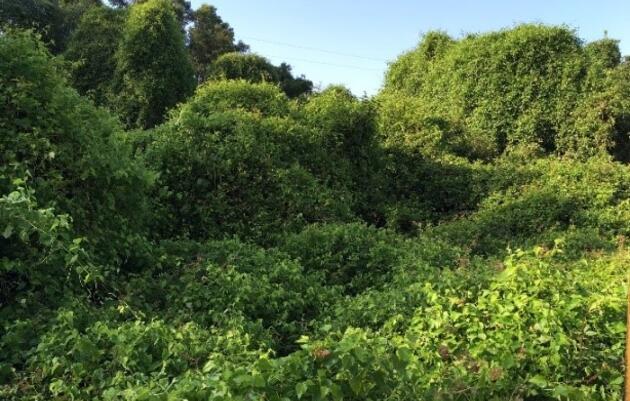
The structures that the team discovers in the middle of the woods are amazing. Often times, all that will be left is a rock wall or some sort of foundation because the woods have completely overtaken whatever used to be there.

About Us | Birds & Science | Centers | Chapters | Support Audubon Arkansas | News & Events
Take Action | Audubon.org | Contact Us | Home
Copyright by National Audubon Society, Inc. All rights reserved.