Audubon Arkansas Audubon Arkansas

Take Action      Audubon.org
Contact Us      Home

Fourche Creek Home
Fourche Creek Information
  A Description of Fourche Creek
  Maps
  Issues Facing Fourche Creek
  Fourche Creek Sights
 
· Human Impacts
· Animal Tracks
· Bald Cypress Trees
· Ancient Structures
  Watershed Terms and Definitions
  Reports
  How You Can Help
  Intern Diaries
Floating Fourche Creek
Events at Fourche Creek
Fourche Creek Projects
About Fourche Creek
Green Examples
Fourche Photo Galleries

Fourche Creek Information > Fourche Creek Sights >

Fourche Creek Information
Sights

Human Impacts

One major problem seen in Fourche Creek is the dumping of old cars and rubber tires. We have found vehicles so deep in the forest they must have been left there before the trees had a chance to grow up.

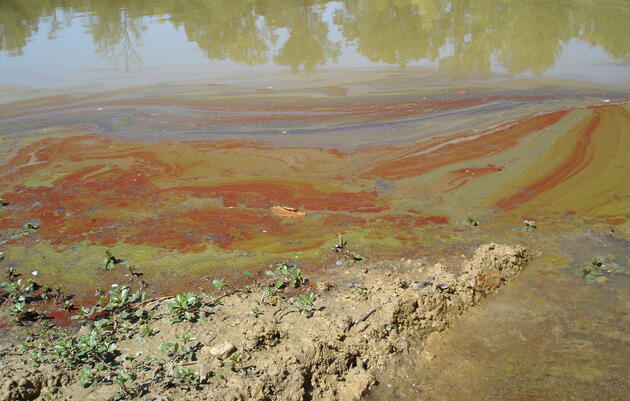
These vehicles are bad for the watershed for multiple reasons. Beside the fact that they are ugly, they can leak harmful pollutants such as motor oil and antifreeze into the ground. The metal frames rust, also polluting the surface and groundwater. Rust from topsoil can pollute small side streams, such as the one below, inviting unhealthy amounts of bacterium and choking off the fish by depleting the available oxygen.

Rubber tires take decades to fully decompose and clog up waterways while they are doing so.

Beside cars and tires, other human articles are constantly being dumped into the Fourche.

Furniture, toys, bicycles, and bags of trash all add to the already taxed ecology of the watershed.

Another major problem facing the watershed is poor land management practices by land owners whose property borders the waterway. Mowing the banks, removing trees, and building too close to the edge all lead to erosion, undercutting, and the eventual collpase of the bank.

The banks above are at least six feet tall and falling away at the slightest pressure. Eventually they will fall completely. This is not only costly for the landowner, but costly for Fourche.

Not only does mankind destroy the banks of the Fourche, they also destroy the creek bed iteslf through a process known as channelization. This is a technique using bulldozers and other heavy machinery to widen and flatten the creek bed so that the creek flows slower and more peacefully. Sounds great, right?

Wrong. While providing some protection from flooding, this process disturbs the delicate lifecycles of fish, invertebrates, and snakes. It exposes the bedrock beneath the smaller layer of cobble or gravel, resulting in a slick, silt-covered bottom where it takes a long time for the habitat to restart. Channelization is very bad for aquatic life, and unfortunately, is very common.

About Us | Birds & Science | Centers | Chapters | Support Audubon Arkansas | News & Events
Take Action | Audubon.org | Contact Us | Home
Copyright by National Audubon Society, Inc. All rights reserved.